Local Culture
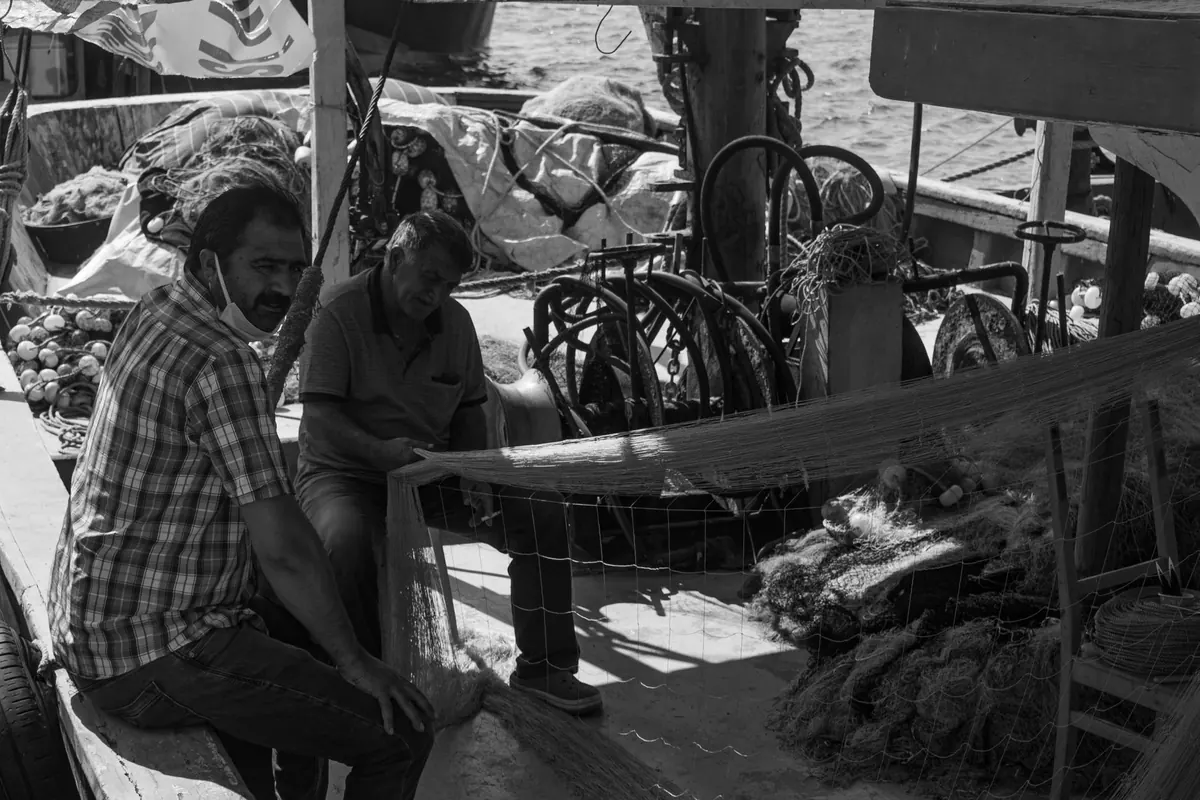
Where to See Traditional Lagoon Fishing Culture Without Intruding
The lagoon does not perform. Its fishing culture shows up at six in the morning on a stone quay, in the smell of diesel and salt, in a knot retied by someone who has tied it ten thousand times. You are welcome to witness this, but the invitation is conditional: you have to behave like a guest in a workplace, not a visitor in a theme park.
That distinction is the whole point of this guide. There are plenty of places to see nets, boats, reed huts and the tools of lagoon fishing without stepping into anyone's morning. The trick is knowing which spaces are public, which are private, and when a harbour is a harbour and not a backdrop.
Start where the work is already public
Every lagoon town has a stretch of waterfront that belongs to everyone: the market quay, the ferry landing, the bridge where the fishing boats tie up to unload. These are the honest entry points. In Chioggia, the fish market on the canal is the closest thing the lagoon has to a daily theatre — crates swung ashore, ice sluiced across the paving, prices argued in dialect. In Venice, the Pescheria near Rialto does the same job in a smaller space. Both are open to the public during morning trading and both are, first and last, places of business.
Go early. Not because of a secret timetable, but because that is when the work happens and when the space is least crowded with people who came to look rather than to buy. Mornings also give you a natural exit: once the stalls are stripped, the quay belongs to the people cleaning it.
Museums that explain the gear, not just the romance
A good maritime museum will tell you what you are looking at when you later stand on a quay. That is its real value. The Museo Storico Navale in Venice covers the breadth of the lagoon's boat building and naval history; on the southern lagoon edge, the small civic collections around Chioggia do the same for the fishing fleet; and in Comacchio, the Manifattura dei Marinati explains the eel trade from the inside, in the building where the work actually happened.
Look for the rooms nobody photographs: the ones with the cork floats, the hand-forged hooks, the diagrams of nets laid out flat like maps. If a museum has a model of a bragozzo or a sandolo with the rigging explained, spend ten minutes on it. You will recognise those details later, and recognition is what turns a harbour from scenery into something you can read.
Ask the small places
Parish museums, boatyards that open a room to the public, and fishing cooperatives with a display case by the door are often better than the big institutions, precisely because they are not designed to move crowds through. Check opening hours before you build a day around one — many are seasonal, volunteer-run, or open only a few mornings a week.
How to watch a working harbour without getting in the way
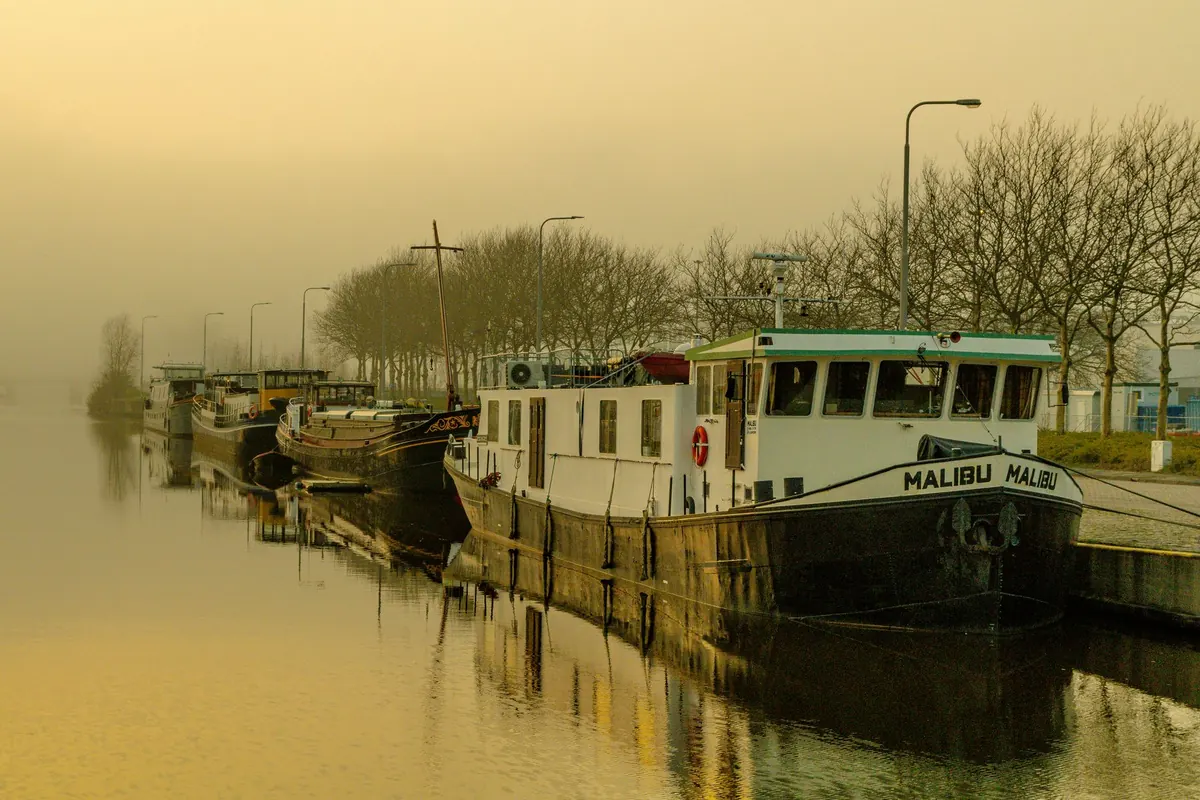
Harbours are not pedestrian zones. Vehicles reverse without much warning, trailers swing, and someone is always carrying something heavy. Stand where you can be seen and where you are not between a boat and a vehicle, and never assume a quiet quay is an empty one.
- Ask before photographing faces, decks and catch. A raised camera is not a question. A nod towards the skipper, and a gesture at your camera, is. "Posso?" covers a lot of ground.
- Never step onto a boat or over a gunwale unless you have been clearly invited. A moored boat is someone's workshop and, often, someone's property. Decks are slippery, gear is expensive, and the invitation is rarely implied.
- Keep clear of nets, pots, lines and engines being worked on. They are wet, sharp, and in the middle of a job. Walking around them rather than over them is the entire etiquette.
- Do not offer to help. It is a generous impulse and almost always a nuisance. If someone wants a hand, they will ask.
- Buy something. If there is a shop, a stall or a cooperative counter, this is the cheapest and most meaningful way to say thank you for the access.
- Leave the drone in the bag. Small aircraft over working boats and moored vessels annoy people and rules vary from place to place. Check local rules if you must fly at all.
- Take your litter, and a little more. Quays collect plastic.
One more thing worth saying plainly: not every boat is a heritage boat, and not every fisherman wants to be a cultural ambassador. If a conversation is short, take it as a complete conversation and move on.
Reading the lagoon landscape
Much of the fishing culture is visible without any people in it at all. Once you know what to look for, the water starts to make sense on its own.
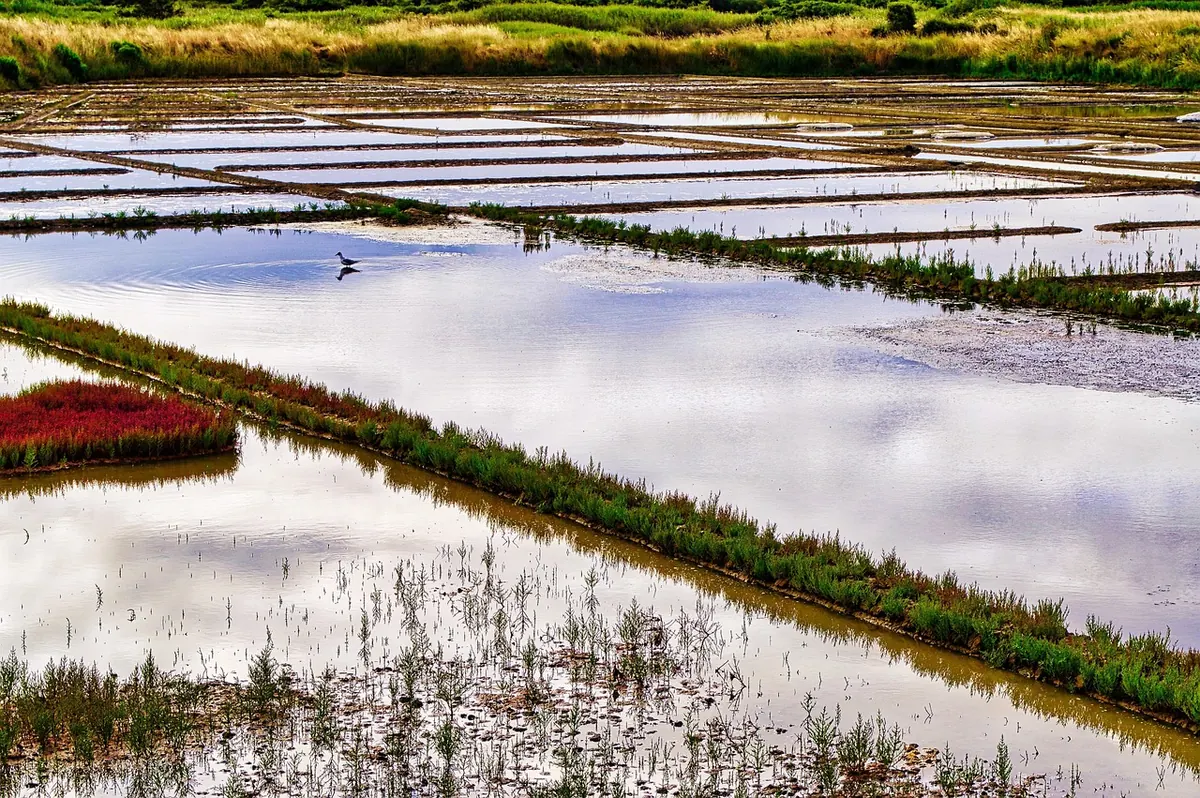
The clusters of timber piles leaning in the current are channel markers — bricole — and they describe the navigable water as clearly as road signs. Patches of reed standing in shallow water may be ghebbi, enclosures used for trapping fish in a system that is older than any tourism here. Low reed huts on islands are casoni; some are still used seasonally, many are private, and all of them are someone's property rather than a photo opportunity. Wide shallow basins fenced and managed for fish are valli da pesca, working agricultural units in the lagoon, not nature reserves.
Public paths on places like Pellestrina, the quieter edges of Murano, and the outer islands give you long views across this working landscape without crossing a fence. Walking is the best tool here. A boat tour is fine, but a slow walk along a lagoon-side path shows you the relationship between quay, marsh, channel and town in a way a fast hull cannot.
Eat it, don't just photograph it
Food is the least intrusive way into a fishing culture. A trattoria serving sarde in saor, a risotto made with lagoon goby, small octopus stewed soft, or soft-shell crab in its short season is doing the same work as a museum label, only with better seating. Order the local fish and ask what it is; the answer is usually a short lesson in tides, seasons and gear.
Two practical notes. Ask what is actually from the lagoon rather than assuming, because menus are longer than local supply. And eat at ordinary hours — lunch in the early afternoon, dinner not too late — which is also when kitchens are least rushed and most willing to explain.
Festivals, regattas and days when fishing is on show
Several lagoon towns put their maritime life on public display at points through the year: rowing regattas, boat blessings, harbour festivals and food days built around a single fish or shellfish. These are the easiest days to observe, because everyone expects an audience and nobody's working morning is being interrupted.
They are also the most crowded. Arrive by public transport where you can, expect standing room on the waterfront, and treat the events as a celebration rather than a documentary. The version of fishing you see on a festival day is the public face of a trade, not the trade itself — enjoyable, and not quite the same thing.
A practical plan: two days, no intrusion
Day one, go south. Spend the morning at a working harbour and its fish market, buy something small, walk the lagoon-side path afterwards with the museum's net diagrams still fresh in your head. Day two, go north or east: a small museum in the morning, a long walk past casoni and bricole in the afternoon, and a fish dinner somewhere ordinary rather than famous.
Keep three rules in your pocket. Public space is yours; private space is not, and a quay can be either depending on where you are standing. Ask once and accept the answer. And let the work come first — step aside, wait, and the lagoon will show you more than any itinerary could.
Photo: Ali Yılmaz / Pexels
Related Articles